Victorian and colonial homes need different care than new construction. Here's what to do — and what to avoid.
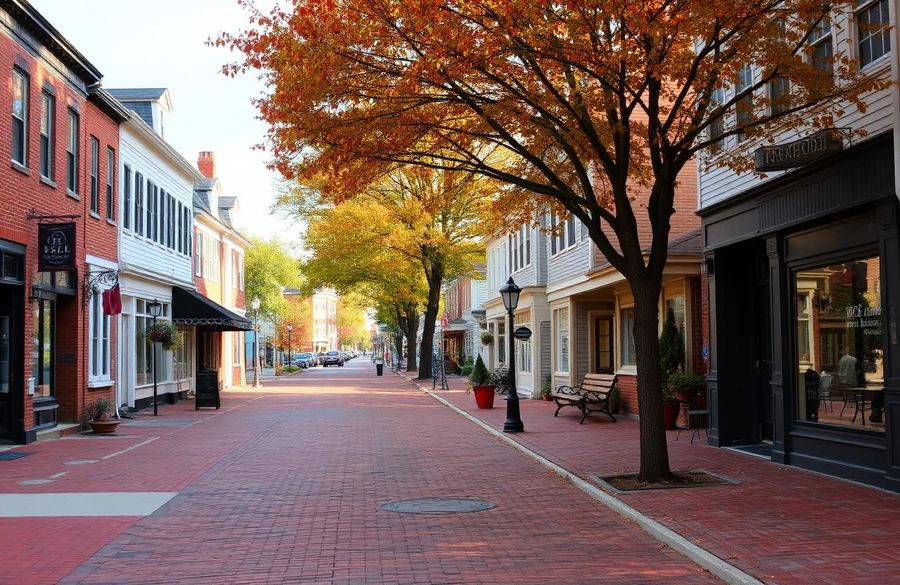
Haddonfield has some of the most beautiful housing stock in South Jersey — Victorians, colonials, the occasional Federal. They're also the homes most easily damaged by aggressive cleaning. Here's what we've learned.
Original wood: less is more
Original hardwood, banisters, and trim should never see steam, bleach, or vinegar straight. Dust first with a dry microfiber, then wipe with a barely-damp cloth and a pH-neutral cleaner. That's it.
Plaster walls
Plaster is porous and chips easily. Skip magic erasers (the abrasion damages the finish). Spot-clean with a soft sponge and warm water; for stubborn marks, a tiny dot of dish soap works.
Antique tile and grout
Original bathroom tile from the 1900s often uses unsealed grout. Avoid acidic cleaners. Use hydrogen peroxide and a soft brush instead — slower, but it won't etch.
Built-ins and china cabinets
Glass-front cabinets collect surprisingly fine dust on the inside. We open them every deep clean and wipe shelves, glass, and any displayed pieces with a clean microfiber. It's the kind of detail that makes a historic home actually feel cared for.
When to call in help
If your home has original features you're worried about, ask for a cleaner trained in historic-home care. Our Haddonfield-assigned crews are trained specifically on this — same flat pricing as any other clean.
Ready for a spotless home?
Book a Verdant cleaner across Philadelphia or South Jersey in under 60 seconds. Insured, eco-friendly, from $119.
Book a cleaning